If you want to know how to encourage wildlife into your garden, here are a few simple ways to help.
1. Plant a tree.
aside from helping to slow the rate of global warming, planting a tree is an excellent way to assist many creatures from insects to squirrels to bats, woodpeckers and owls. Not to mention the lichen and fungi growing on them, essential for soil health. Up to 25,000 creatures live in every average tree, so planting one can help a great deal.
2. Add water
A pond will attract frogs, newts and dragonflies who will in turn help the ecosystem of your garden by eating bugs like snails and slugs that may otherwise destroy your plants.
If not a pond, try a little water, even a shallow dish with a few pebbles can give wildlife like butterflies and bees a place to rest and drink.
3. Plant with birds, bees and butterflies in mind
Birds will love late autumn berries on shrubs and trees, whilst butterflies go crazy for buddleia.
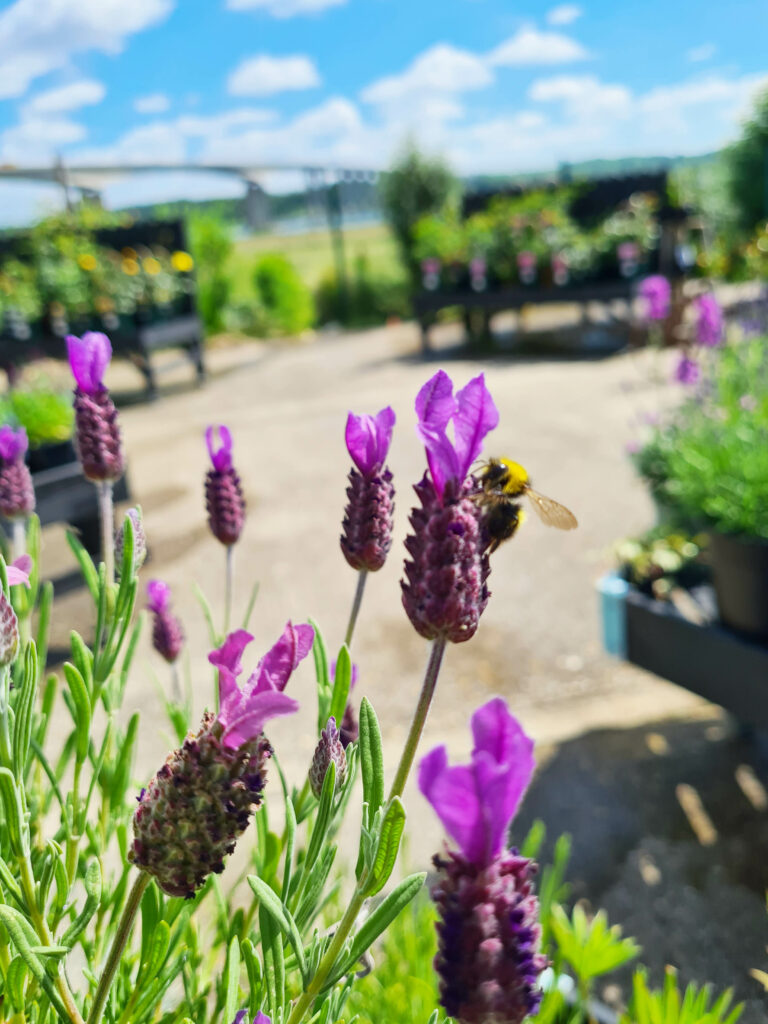
Bees appreciate flowers where pollen is easy to access. Plant in groups as bees tend to forage one species at a time. Lavender, echinacea, sedum, rudbeckia, salvia and cosmos are all excellent for bees.
4. Make homes
Make homes for hedgehogs, bees, and other insects by using upturned old baskets propped up with twigs and leaving old log piles.
Try tying hollow bamboo sticks together for bees or ladybirds, or drill holes into a piece of wood.
Put birdhouses where they are safe, out of reach from cats.
5. Rewild
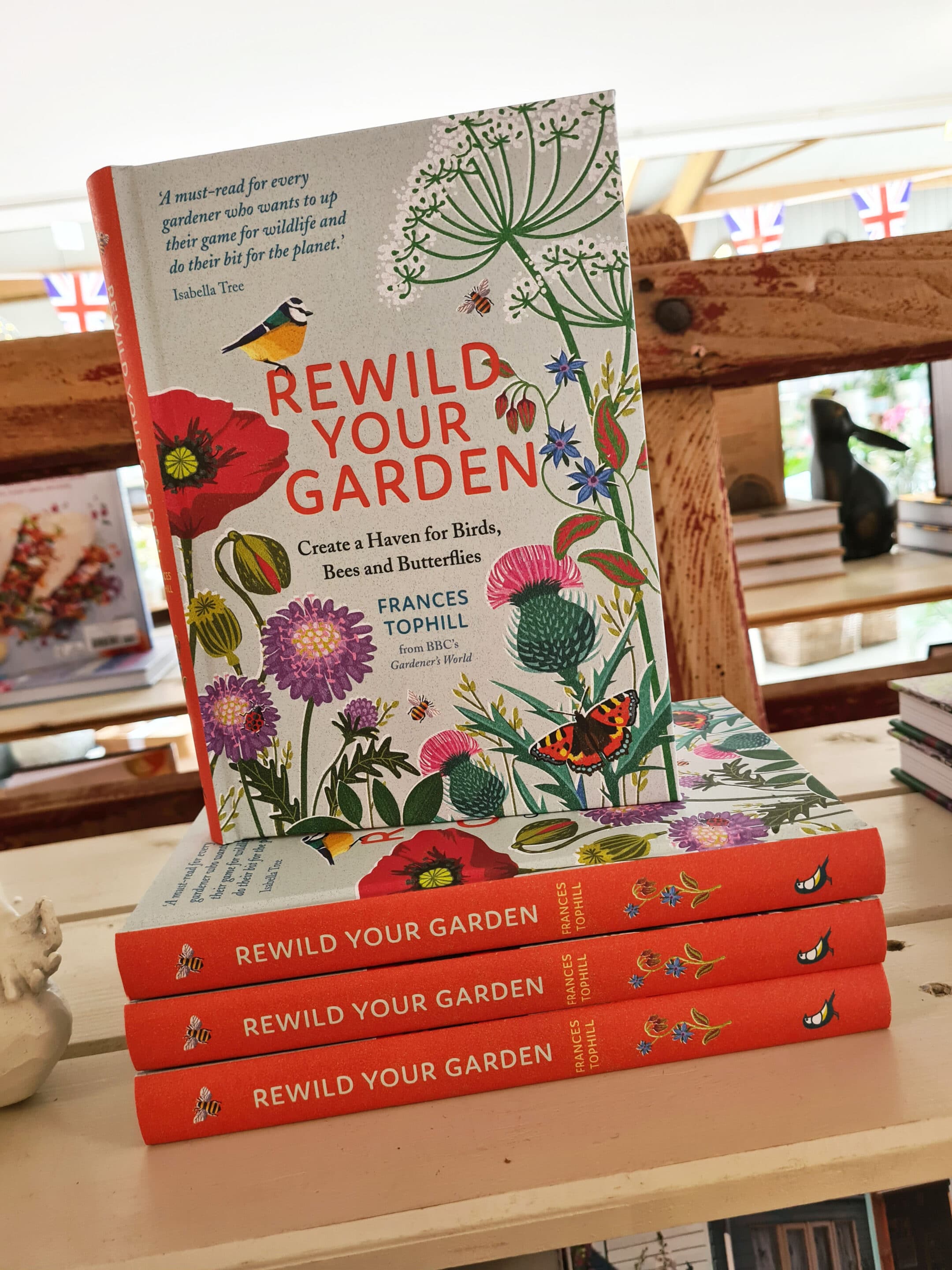
Lastly the simplest solution of all is to let a little area of your garden just be natural, nettles and all. Nature will thank you for a bit of longer grass and native flora.
After all, what is more relaxing than trying to keep on top of the whole garden during this busy season? Just letting part of it ‘rewild’… Knowing that you are helping nature thrive on its own.
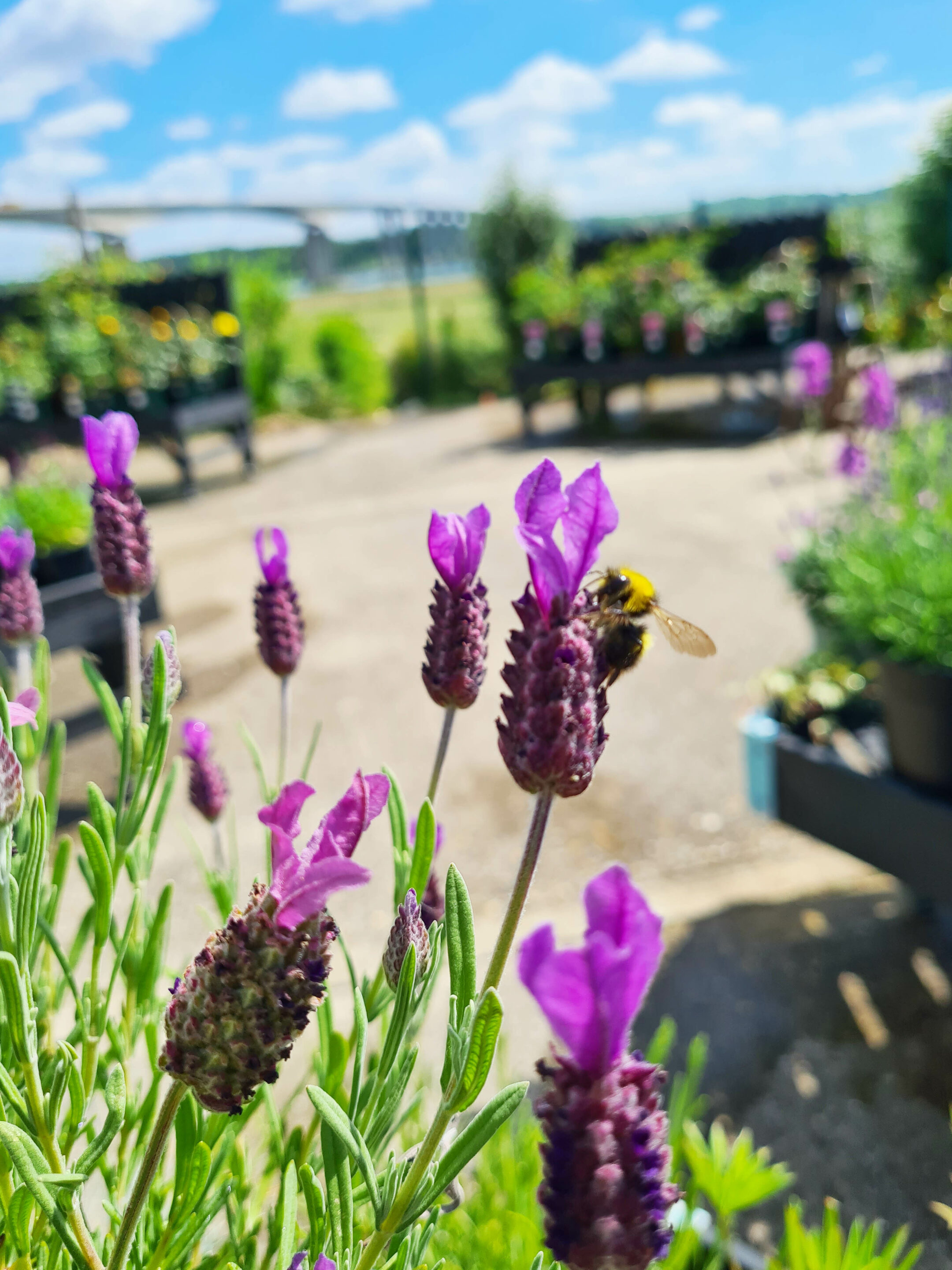
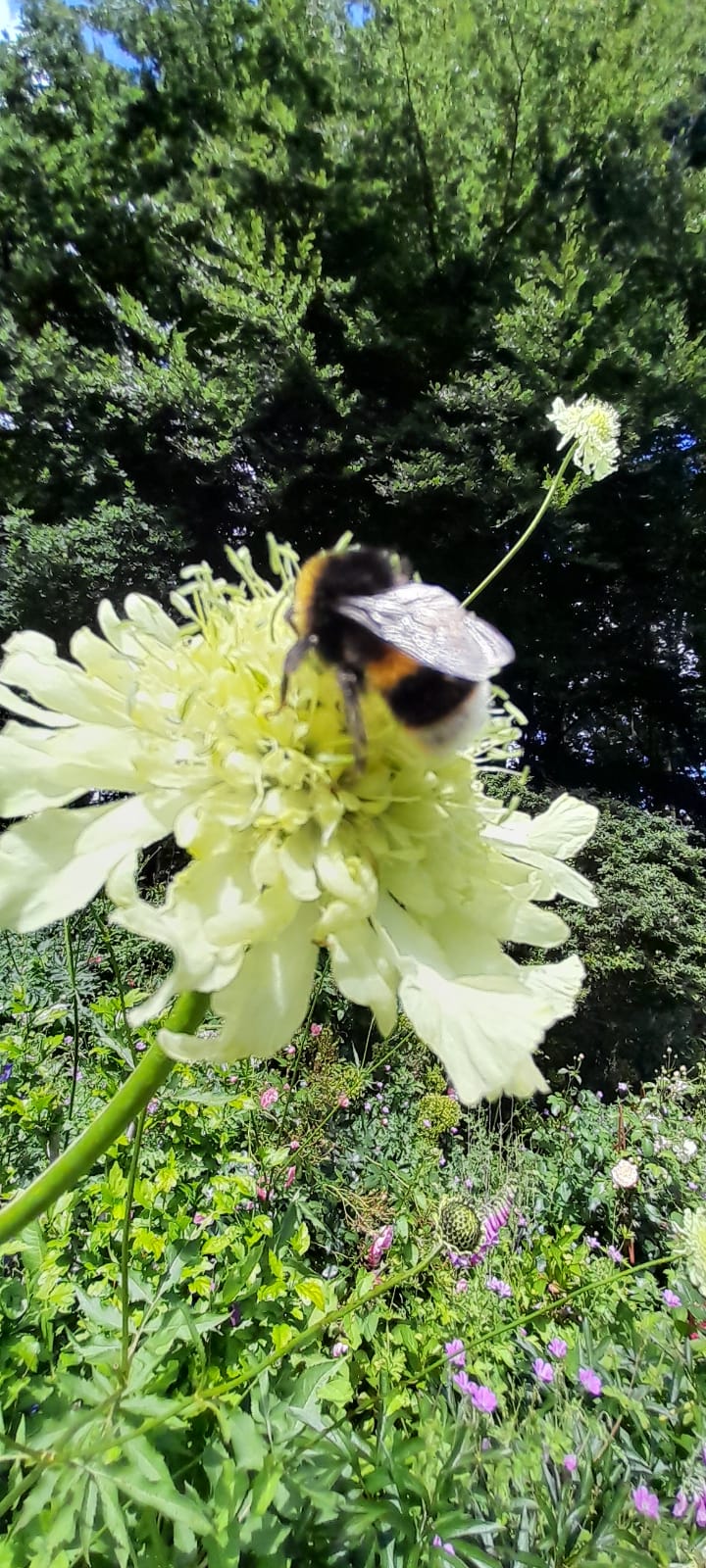
We love the bees at Suffolk Food Hall, here are a few facts about our buzzy friends. They’re also vital to our existence so they play a huge role!
• Nearly 90% of wild plants depend on animal pollination, mostly by bees.
• Bees have four wings.
• Bees fly on average around 55.000 miles to produce a pound of honey, visiting two million flowers.
• Bees have five eyes.
• Bees cannot see the colour red.
• Bees fly at an average speed of 25km per hour.
• Bees are intelligent. They vote in groups for a preferred outcome in the hive by performing a waggle dance to communicate.
• Scientists have trained bees by using a sugary reward. They can score a goal in bee pollen football.
• Bees have been trained as bomb detectors by reacting to chemicals found in explosives.
• Bees have also been trained to detect illness in humans and so can identify if a person is unwell.
Lots of interesting facts about bees, if you want to plant bee-friendly plants come and see us and we can help you pick some out.